
Debunking Myths: Common Misconceptions About Stretching and Flexibility


Understanding Stretching: Separating Fact from Fiction
Stretching is an essential component of fitness routines, yet it is often surrounded by misconceptions. These myths can lead to confusion and improper practices. This post aims to debunk some of the most common misconceptions about stretching and flexibility.

Myth 1: Stretching Before Exercise Prevents Injuries
One of the most pervasive myths is that stretching before exercise can prevent injuries. While stretching can improve flexibility, it does not necessarily reduce injury risk. Instead, a proper warm-up that includes light aerobic activity is more effective in preparing the body for physical exertion.
Dynamic stretching, which involves active movements, can be more beneficial before exercise compared to static stretching. This approach helps increase blood flow and muscle temperature, priming the body for action.
Myth 2: You Must Stretch Every Day to Increase Flexibility
Though regular stretching can improve flexibility, it is not necessary to stretch every single day. Overstretching can lead to muscle strain or injury. Instead, aim for a balanced routine where stretching is included a few times a week, allowing time for recovery.
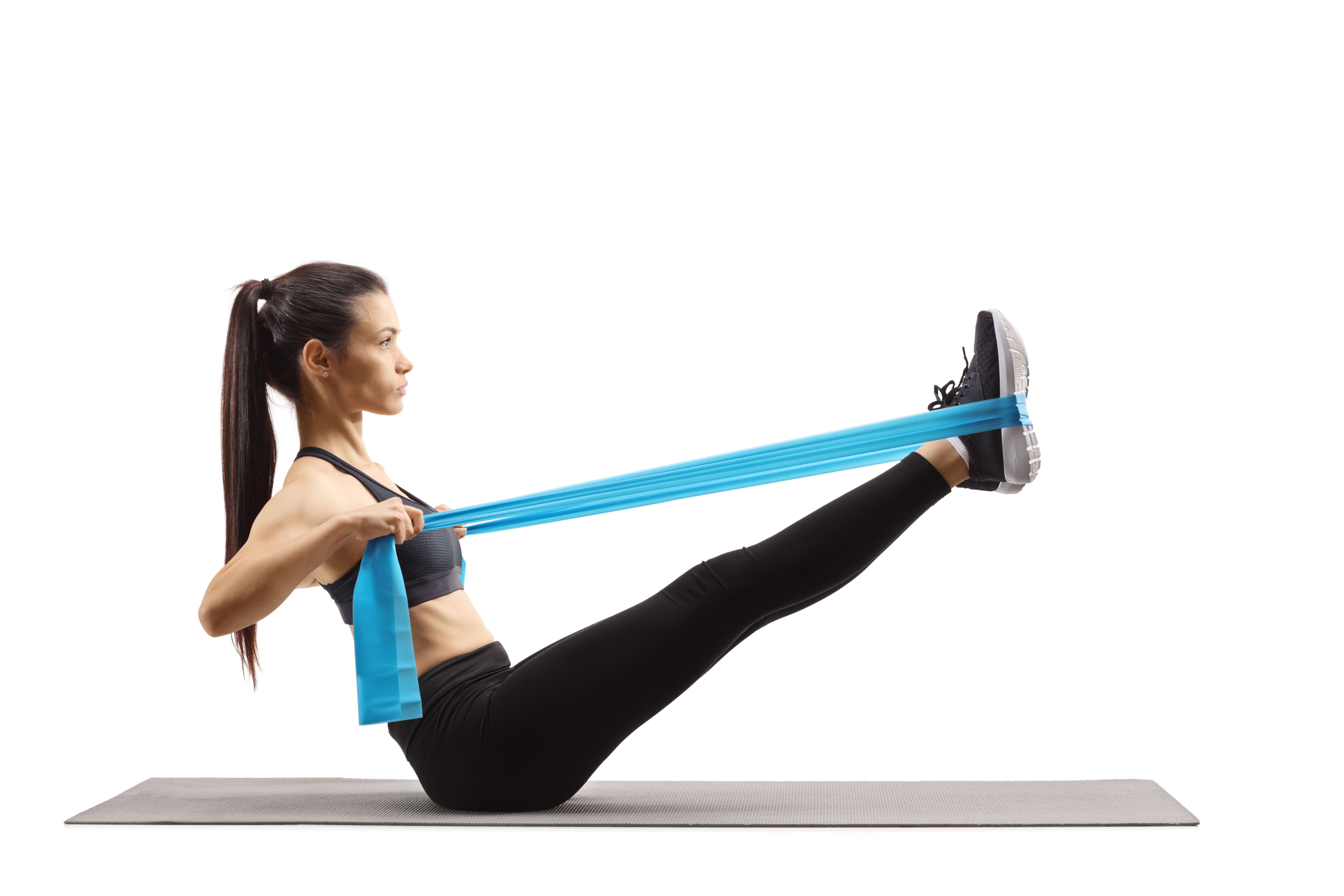
Incorporating a mix of activities such as yoga, Pilates, or tai chi can also enhance flexibility without the need for daily stretching sessions.
Myth 3: Stretching Is Only for Athletes
Another common misconception is that stretching is only beneficial for athletes. In reality, stretching can be advantageous for everyone, regardless of fitness level. It can improve posture, enhance relaxation, and reduce muscle tension.
Incorporating stretching into your daily routine can lead to overall well-being and better body alignment, making it a valuable practice for all.

Myth 4: The Longer You Hold a Stretch, the Better
Many believe that holding a stretch for an extended period leads to greater flexibility. However, holding a stretch for too long can actually cause harm. It is generally recommended to hold a stretch for about 15 to 30 seconds.
Focusing on proper form and breathing during these stretches is more effective than simply prolonging the duration. Quality over quantity should be the mantra.
The Reality of Stretching and Flexibility
Understanding the truth about stretching helps incorporate it more effectively into fitness routines. By dispelling these myths, individuals can make informed decisions about how to include stretching in their lives.
Whether for athletic performance or general well-being, a well-rounded approach to stretching can lead to numerous benefits without falling prey to common misconceptions.